

Clip 1
Stream on your preferred platform.
Release date provided by the artist or label and may change.
Latest releases from Radio Now will appear here when this artist publishes new music.
Live dates pulled from Bandsintown — updated automatically.
Who’s in this group.
Music videos, sessions, interviews, behind-the-scenes — landscape clips for fans and festivals.
Swipe through YouTube Shorts — tap play on any card.
Clip 1

Clip 2

Clip 3

Clip 4
1 / 4·Swipe · tap ▶ to play
See and hear this band on stage — built for festival bookers and talent buyers.
Featured clip
Skip navigation del mccoury band Create Avatar image The Del McCoury Band - Full DelFest 2025 Set
Direct booking through The 615 Hideaway is on the way. Use contact info below for now.
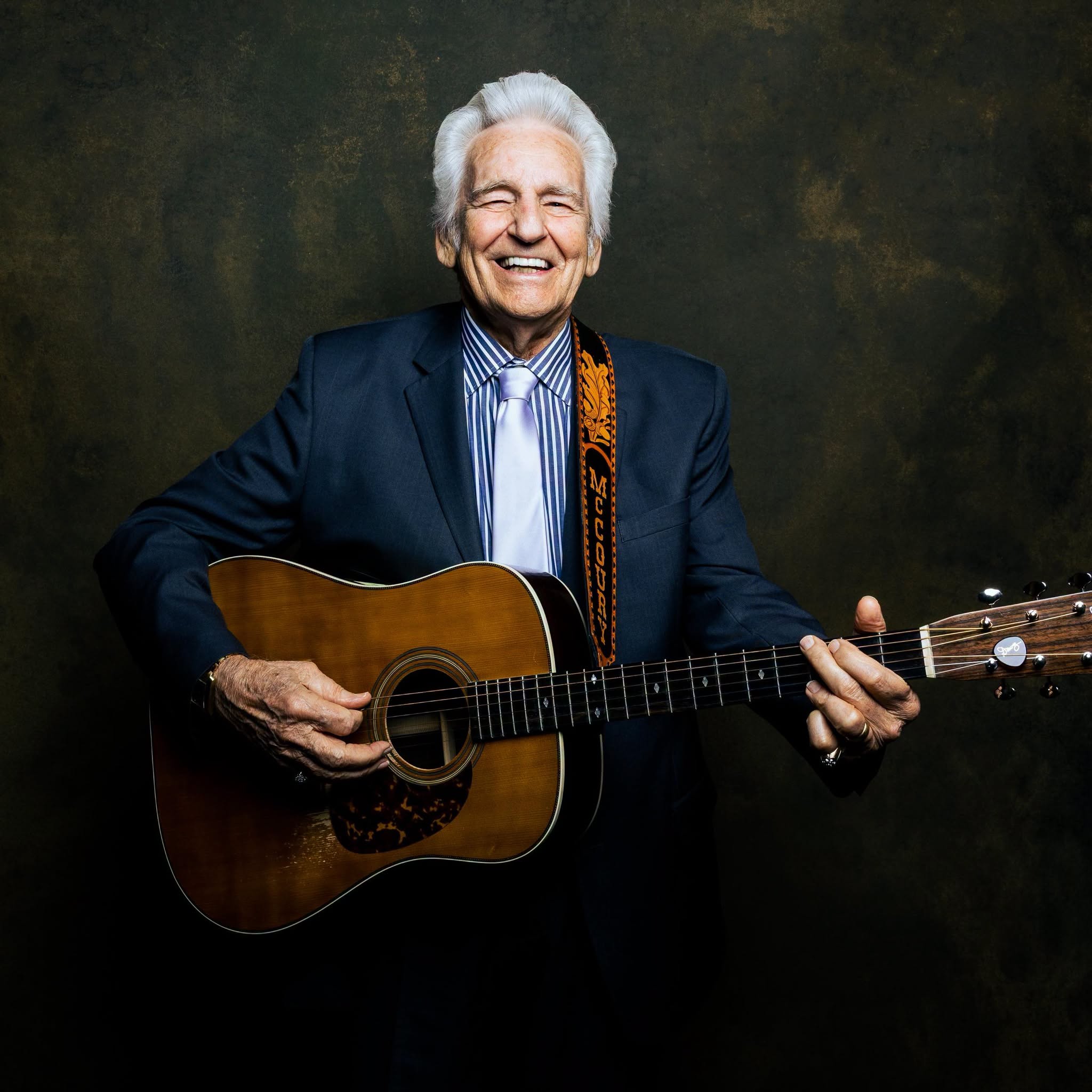
High-quality artist photos for use on The 615 Hideaway. For publication-quality or full-resolution press images, visit the artist's website or EPK.
The The Del McCoury Band band is booking dates now.
Vince Gill says it simply, and maybe best: “I’d rather hear Del McCoury sing ‘Are You Teasing Me’ than just about anything.” For fifty years, Del’s music has defined authenticity for hard core bluegrass fans-count Gill among them-as well as a growing number of fans among those only vaguely familiar with the genre. And while the box set Celebrating 50 Years of Del McCoury, like its distilled companion, By Request-both in stores on May 12th-provides an opportunity to look back on a unique legacy, it’s also one that Del McCoury’s rolling past with a wave and a grin and some of the best music he’s ever made. “It gives hope to everybody-fifty years is a long time to be playing music in any field,” says another fan, Elvis Costello. “But to keep the purity that you need to do this kind of music, and the drive and the energy takes a special kind of guy.” And indeed, McCoury is something special, a living link to the days when bluegrass was made only in hillbilly honkytonks, schoolhouse shows and on the stage of the Grand Ole Opry, yet also a commandingly vital presence today, from prime time and late night talk show TV to music festivals where audiences number in the hundreds of thousands. “Here’s a guy who has been playing for fifty years, and he’s still experimenting-still looking to do things outside the box, to bring other kinds of music into bluegrass form,” says Americana music icon Richard Thompson, who saw his “1952 Vincent Black Lightning” turned into a bluegrass standard when McCoury brought it into the fold. “I think that’s the best bluegrass band, period. That’s it.” Born in York County, PA seventy years ago, Del McCoury would once have seemed an unlikely candidate for legendary status. Bitten hard by the bluegrass bug when he heard Earl Scruggs’ banjo in the early 50s-“everybody else was crazy about Elvis, but I loved Earl,” he says with a chuckle-McCoury became a banjo picker himself, working in the rough but lively Baltimore and D.C. bar scene into the early 1960s. He got his first taste of the limelight when he joined Bill Monroe’s Blue Grass Boys in early 1963; the Father of Bluegrass moved McCoury from the banjo to guitar, made him his lead singer, and gave him a lifetime’s worth of bluegrass tutelage direct from the source in the course of little more than a year. But rather than parlay his gig with the master into a full-time career of his own, he returned to Pennsylvania in the mid-60s to provide steady support for his new and growing family. Within a few years, McCoury had settled into work in the logging industry-and formed his own band, the Dixie Pals. For the next decade and a half, he piloted the group through a part-time career built mostly around weekend appearances at bluegrass festivals and recordings for labels ranging from the short-lived and obscure to roots music institutions like Arhoolie and Rounder Records. And while there were the inevitable personnel changes and struggles to contend with, McCoury was also building a songbook filled with classics remade in his own image and a growing number of originals-songs like “High On A Mountain,” “Are You Teasing Me,” “Dark Hollow,” “Bluest Man In Town,” “Rain And Snow,” “Good Man Like Me, “Rain Please Go Away” and more-that would become an important part of his legacy in years to come. The first big sign of change came in 1981, when McCoury’s 14 year old son, Ronnie, joined the Dixie Pals as their mandolin player. Banjo playing younger brother Rob came on board five years later, and by the end of the decade, the three McCourys were ready to make a move. “We came to Nashville in 1992,” Ron recalls, “and it was dad’s idea. He’d been watching bluegrass on TNN-Bill Monroe, the Osborne Brothers, Jim & Jesse-and thought that it was the place to be, that we’d have a new outlet there, where we could get some more attention. And without a doubt, moving to Nashville and just going for it turned out to be really big.” Read more on his website.
DJs & radio: MP3 downloads and airplay assets live on Radio Now only.